How AI Actually Reads Your Golf Swing — Data, Standards, and the Human Eye
When you upload a swing video, something reads it in about twenty seconds and hands you back a verdict: an estimated handicap, your biggest fault, and one drill. What exactly did it look at? How much did it actually capture? And can a few seconds of phone video really compete with a coach who has watched swings for twenty years? Here's the honest answer, from the people who built one.
Illustrative analysis
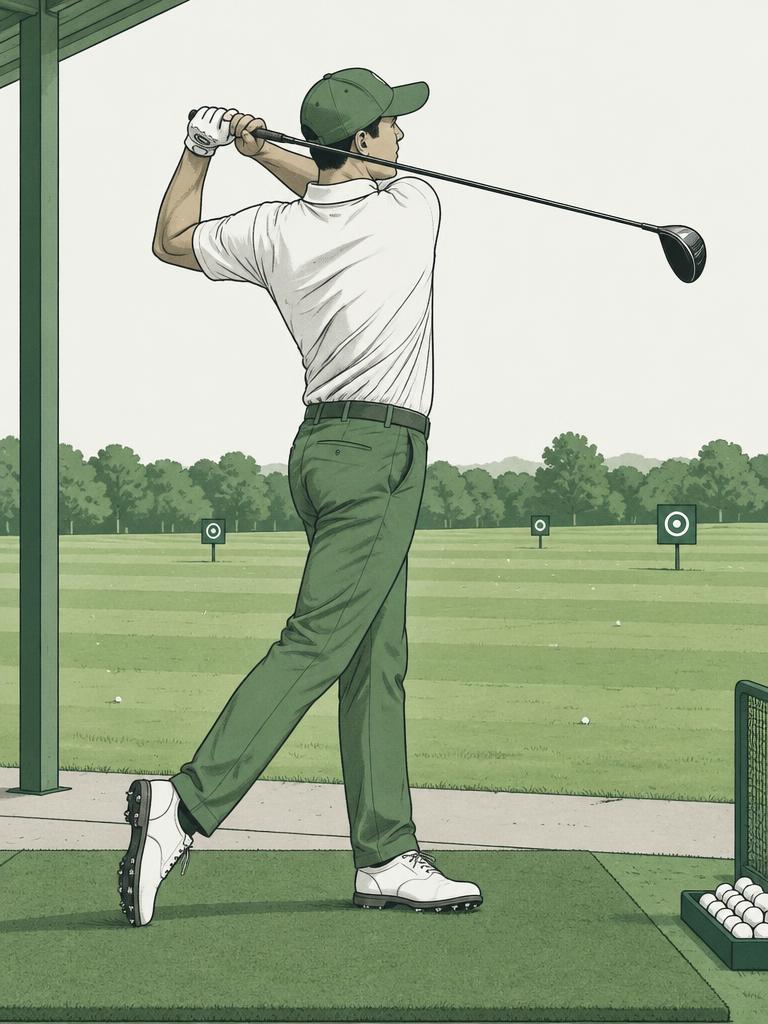
One swing, read through time
This fictional sequence demonstrates the moments and visible signals the model reviews. It does not depict a user or claim to be a measured result.
Download the vertical video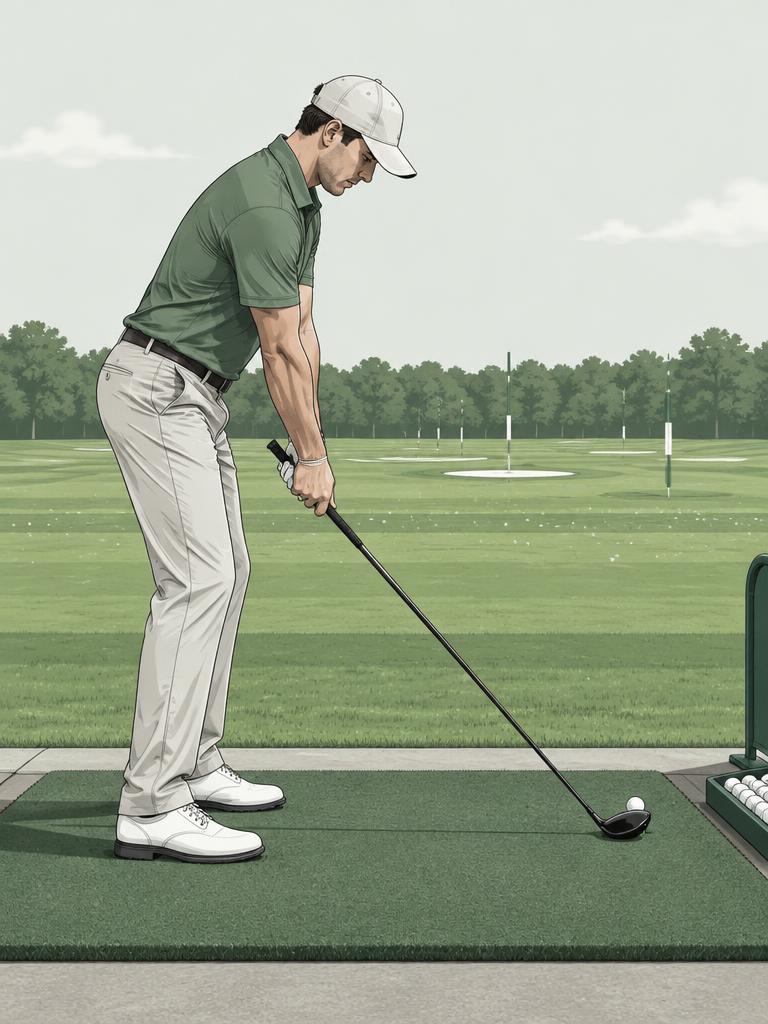 1
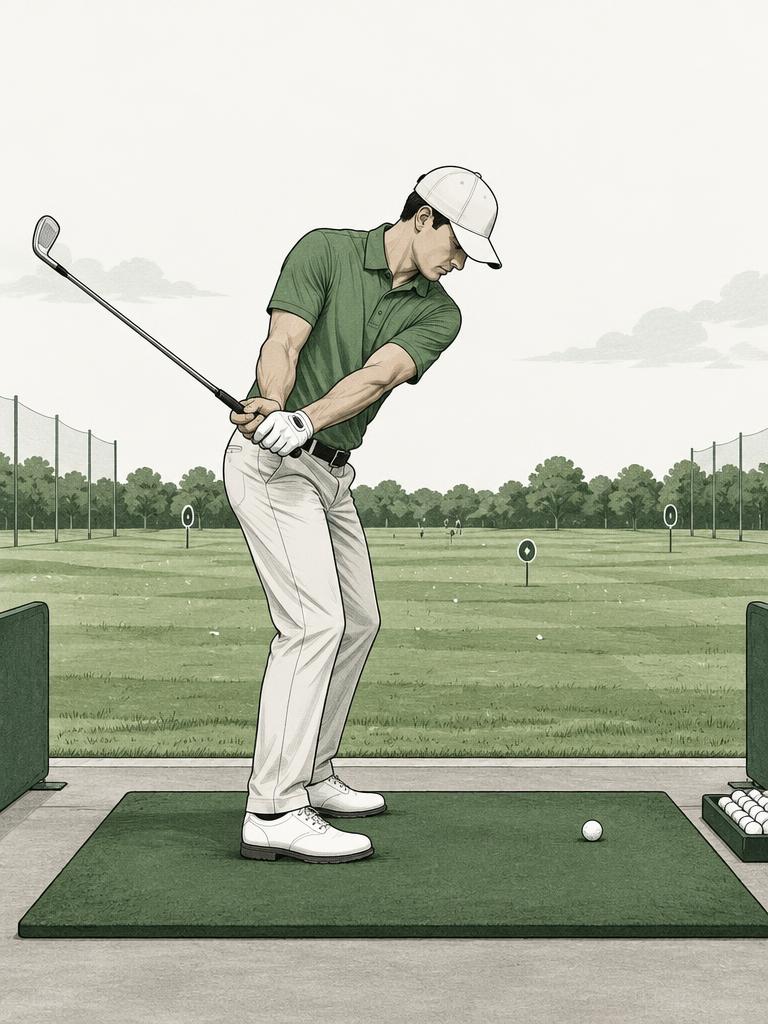 2
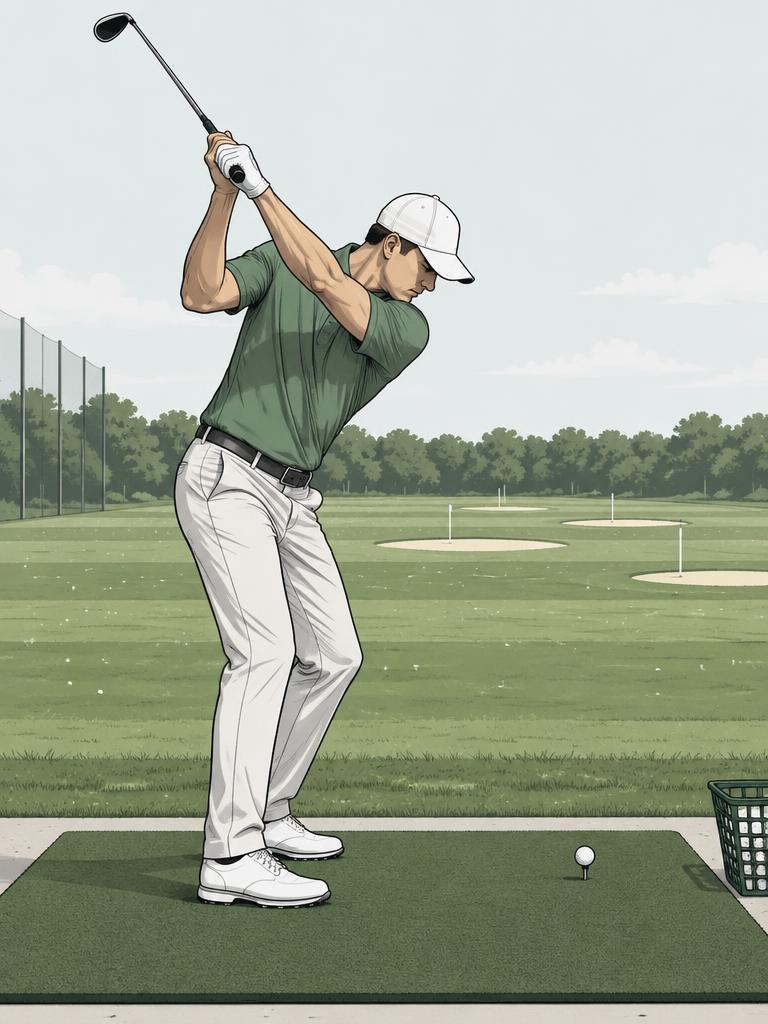 3
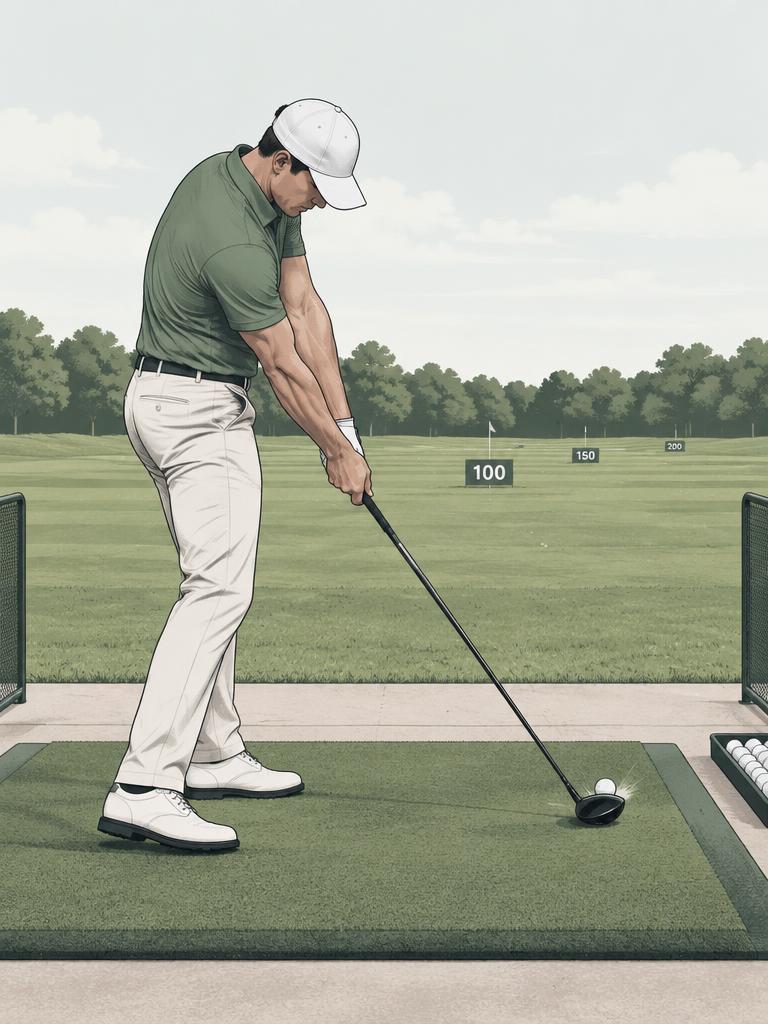 4
 5
How the advice is chosen
Observe
Read visible setup, tempo, transition, impact, balance and finish.
Prioritize
Compare the signals and choose the issue most likely to cost strokes.
Qualify
Return one drill and a confidence level—or no verdict when the view is insufficient.
AI video review
- Same standard every time
- Remembers recent sessions
- Available after every practice
Human coach
- Sees repeated shots live
- Hears and feels contact
- Can correct movement physically
Launch monitor
- Measures speed and spin
- Measures exact ball flight
- Does not choose your coaching priority
Video estimates movement and trends. It does not claim launch-monitor precision or replace hands-on coaching.
What the model actually captures from one swing
A 15-second phone video at 30 frames per second contains roughly 450 frames. Nobody — human or machine — watches all of them in equal detail. What matters in a swing lives in a handful of moments: address, the top of the backswing, the transition, impact, and the finish. The model samples the video densely through those moments and tracks the things that predict the scorecard: your posture and setup, where the club travels relative to your body, whether your balance holds, the rhythm between backswing and downswing, and whether the ball flight matches what the motion promises.
Beyond the motion itself, it reads context a coach would also weigh: which club you chose, the environment, whether this swing fits your history — because a swing that belongs to a 20-handicapper and a swing that belongs to a 5 are judged by different standards. Caddigo's model processes the full video, not just a few stills, so it can see tempo and sequencing: how the swing unfolds in time, which is where a lot of amateur faults actually live.
Put a number on it: one analysis consumes on the order of several thousand pieces of visual information — frames, motion between frames, and your past results — before it writes a single word of advice.
The standards it judges by
A swing analyzer without standards is just a description machine. Ours is calibrated against what coaches actually see across the skill spectrum: an estimated handicap from low single digits up to 54 — the maximum a beginner can hold. That range matters. Many tools secretly grade on a curve that tops out around 'pretty good amateur', which is why beginner swings come back with flattering numbers. We deliberately made the scale harsh: if the model sees a raw beginner motion, it says 40+, not 16.
It also has a honesty rule most apps skip: when the video is too dark, too cropped, or the swing isn't visible enough to judge, it is required to say 'not assessable' and return nothing — no invented number. A confident-sounding guess is worse than silence, because golfers act on it.
- 1.Estimated handicap on the full 2–54 scale, calibrated harsh — beginner swings score like beginner swings.
- 2.A confidence rating on every analysis — when the video quality limits what it can see, it says so.
- 3.A 'not assessable' verdict when the swing can't be judged at all — the analysis doesn't count, and nothing is invented.
- 4.Advice in plain golfer language — no biomechanics jargon you can't act on at the range.
How it values advice: the one-fault rule
Here's a difference of philosophy, not just technology. A coach watching your swing sees ten things. A good coach tells you one. That discipline — choosing the single fault that costs the most strokes and fixing it first — is the core of effective instruction, and it's also the hardest thing for a human to do consistently, because humans love nuance.
The model is built to enforce that rule structurally. Every analysis returns exactly one main issue and exactly one drill. Not a ranked list of six problems, not a dashboard of angles — one thing, chosen by asking 'which of these faults, if fixed, saves the most strokes?' This is less glamorous than a full biomechanical report. It is also how golfers actually improve: in a queue, not at a buffet.
The advice also weighs context a snapshot can't: your last shot, today's session, your recent trend. The caddie doesn't just grade the motion — it answers 'what should this golfer work on next, given everything so far?'
What the trained human eye does better
Honesty requires this section. A good coach beats the model in several places, and we don't pretend otherwise. A coach watches ten balls in a row, live, and sees the pattern across shots — one video is one sample. A coach sees the strike location on the clubface, hears the contact, and reads your body language and frustration. A coach can put a hand on your shoulder and physically move it into position — kinesthetic feedback no video analysis will ever deliver.
And a launch monitor beats both of us for pure measurement: ball speed, spin, exact carry. Video-based numbers are honest estimates, not instrument readings.
Where the machine quietly wins
But the comparison isn't 'AI versus coach at 2pm on a Tuesday at the range'. It's 'AI versus what actually happens in a golfer's life' — which is, for most amateurs, no regular coach at all. And there the machine has real advantages:
- 1.It watches every single swing you upload with identical standards — it never has a tired day, never gets distracted, never flatters you because you're paying.
- 2.It remembers everything: every swing, every drill, every estimate — so its advice reflects your trend, not just today's snapshot.
- 3.It's available at 10pm at the range, on holiday, in your backyard — the 13 days between lessons are exactly where progress usually dies.
- 4.It's consistent enough to measure change: same camera angle, same standards, week after week — which is what makes improvement visible and keeps people practising.
- 5.It costs nothing to start — the price of asking is zero, which changes how often golfers actually check in on their swing.
The honest verdict
Is the model better than the trained human eye? At raw perception of a single live swing, no — a great coach seeing ten balls in person still wins. At being present for every practice session, applying the same harsh honest standard every time, remembering your whole history, and answering 'what's the one thing I should fix?' in twenty seconds for free — yes, and it's not close, because the alternative isn't a coach. It's nothing.
The right frame isn't AI versus coach. It's AI for the 99% of your practice when no coach is watching — and a coach for the faults that need hands on. If you want to see what the model makes of your swing, upload 15 seconds and judge the standard yourself.
Find the one fault costing you strokes
Upload one 15-second swing — your AI caddie estimates your handicap and gives you the single drill that matters.
Analyze my swing — free